
Accepting New Clients Now
Accepting New Clients Now
About Prime Focus ABA Solutions, LLC
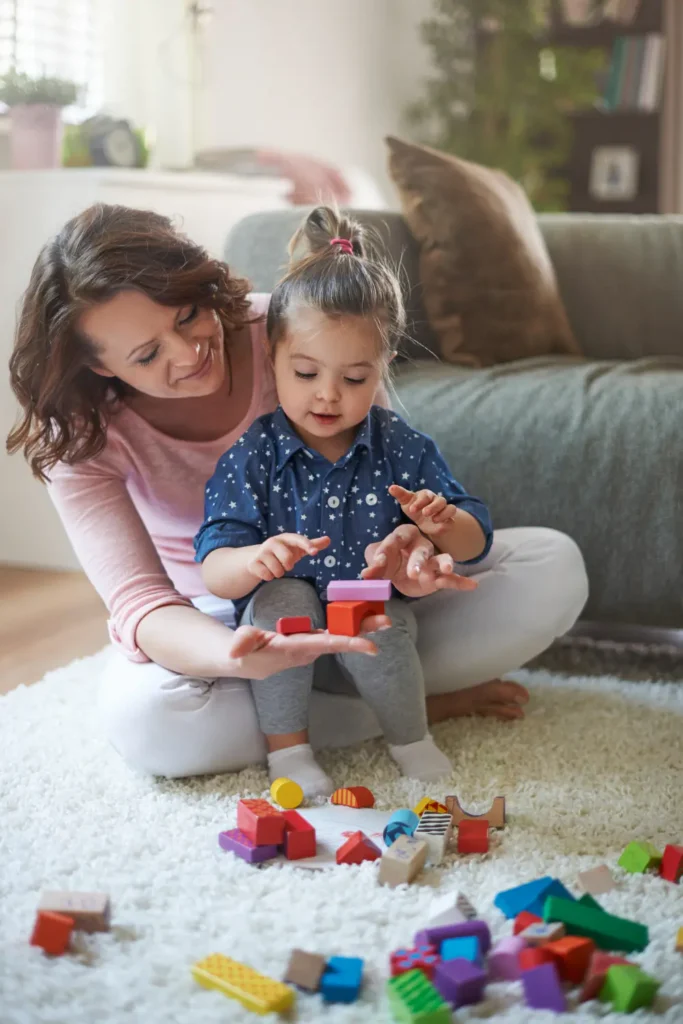

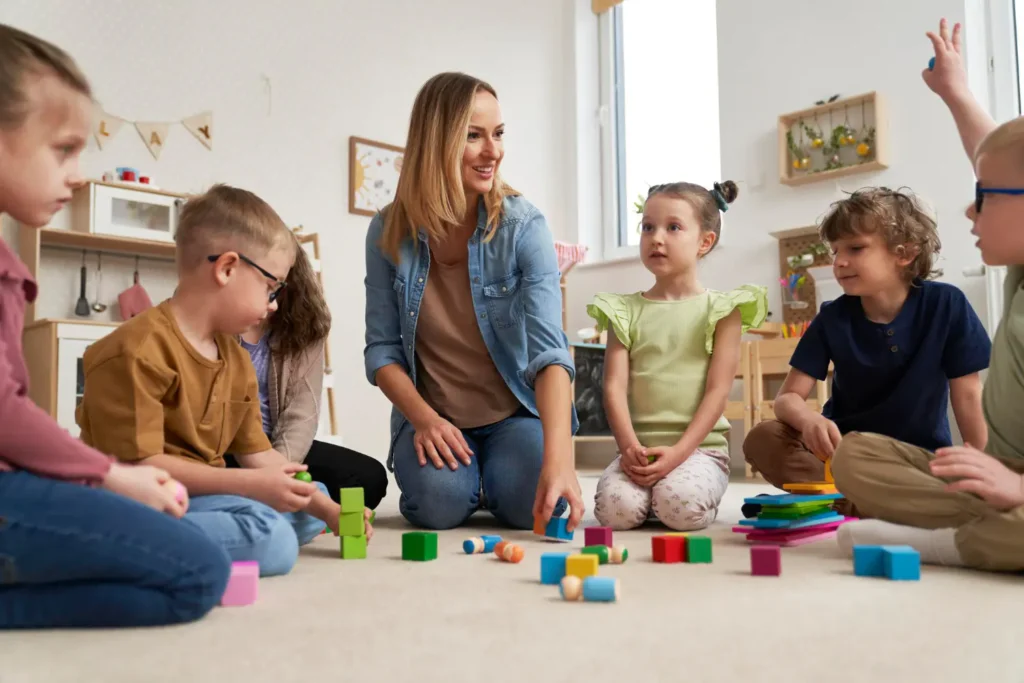
Our Whole-Child Approach
At Prime Focus ABA Solutions, we believe effective ABA begins with understanding the individual, not simply addressing a behavior. Every child brings unique strengths, communication styles, learning needs, preferences, experiences, and support needs to therapy.
Our approach considers how communication, physical health, sensory needs, sleep, daily routines, relationships, learning environments, and other individual factors may influence how a child learns, participates, and responds to the world around them.
Looking Beyond Behavior
Behavior can communicate important information. When a child’s behavior changes, we consider factors that may be contributing to that change rather than focusing only on what is immediately observable.
For example, gastrointestinal discomfort, sleep difficulties, medication changes, communication barriers, sensory needs, changes in routine, or environmental factors may affect behavior. When a concern falls outside the scope of behavior analysis, we encourage appropriate collaboration or referral rather than assuming every concern should be addressed through behavioral intervention.
Collaboration Is an Important Part of Care
Children often receive support from multiple professionals. With caregiver consent, Prime Focus ABA Solutions collaborates with members of your child’s broader care team. This may include physicians, speech language pathologists, occupational therapists, educators, mental health professionals, and other providers.
Our role is not to replace these professionals or practice outside the scope of behavior analysis. Instead, we work alongside them so relevant information can be considered when developing and evaluating ABA treatment.
This may include coordinating with a speech language pathologist to support communication strategies, consulting with an occupational therapist regarding sensory or functional needs, communicating with educators to promote consistency across learning environments, or encouraging medical follow up when health related factors may be affecting behavior.
Meaningful Skills for Everyday Life
Our goal extends beyond reducing challenging behavior. We prioritize meaningful skills that can improve everyday life, including communication, self advocacy, independence, emotional and behavioral regulation, social participation, adaptive living skills, safety, and greater participation in family and community experiences.
Treatment goals are individualized based on each child’s strengths, needs, family priorities, and clinical assessment.
One Child. One Team. Shared Goals.
Families are essential members of the treatment team. We value caregiver input, interdisciplinary collaboration, and ongoing communication throughout treatment.
By bringing these perspectives together, we provide thoughtful, individualized ABA services that support the whole child while respecting their neurodivergence, individuality, autonomy, and unique way of experiencing the world.
Growing Skills. Expanding Possibilities.
Because meaningful progress is strongest when the people supporting a child work together.
More Than Behavior
At Prime Focus ABA Solutions, our goal is not simply to reduce challenging behavior.
We help learners:
Communicate
Express wants, needs, choices, discomfort, and boundaries.
Connect
Develop meaningful relationships and social engagement.
Regulate
Build individualized strategies for navigating challenging situations.
Participate
Engage more meaningfully at home, school, and in the community.
Build Independence
Develop practical skills for everyday life.
We focus on the whole child because meaningful progress is about more than changing behavior. It is about building skills that support greater independence, participation, connection, and quality of life.
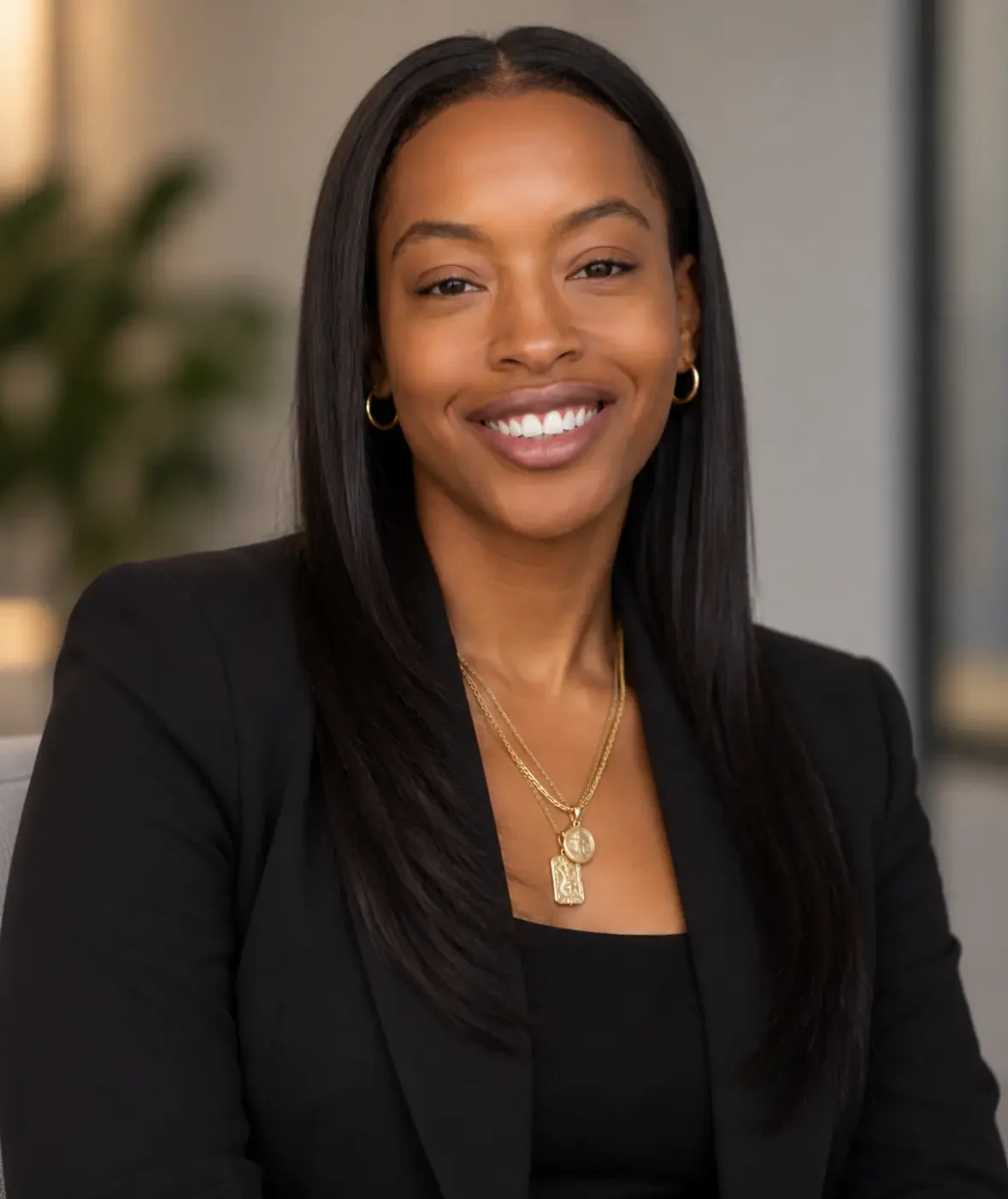
Meet Provider
Jazmin Ingram, BCBA
Founder & Clinical Director
Jazmin Ingram is a Board Certified Behavior Analyst (BCBA) and founder of Prime Focus ABA Solutions, LLC. She brings extensive experience providing and overseeing individualized ABA services for children and adolescents across home, clinic, school, and community settings.
Jazmin’s clinical philosophy centers on a whole-child approach, recognizing that meaningful progress extends beyond behavior reduction. Her work emphasizes functional communication, self-advocacy, self-regulation, adaptive functioning, social development, independence, and quality of life. She is committed to providing evidence-based, compassionate, and assent-informed care while partnering closely with caregivers and interdisciplinary professionals.